Preventative Maintenance: The Hidden Profit Strategy for Rental Property Owners
Most rental property owners think about maintenance when something breaks.
Smart investors think about maintenance before something breaks.
The difference between reactive maintenance and preventative maintenance is often the difference between stable cash flow and surprise expenses.
If you own rental property in Utah, understanding this distinction can significantly impact your long-term returns.
Reactive vs. Preventative Maintenance
Reactive maintenance happens after a failure:
The water heater stops working.
The HVAC system fails during a heatwave.
A small leak turns into drywall damage.
A loose railing becomes a liability issue.
Preventative maintenance, on the other hand, identifies issues early and reduces the likelihood of costly breakdowns.
It includes:
Seasonal HVAC servicing
Roof and gutter inspections
Plumbing leak checks
Caulking and seal inspections
Drain line maintenance
Water heater flushing
Exterior walk-through evaluations
Preventative work costs significantly less than emergency repairs — especially when you factor in water damage, after-hours vendor rates, and tenant displacement.
Why Preventative Maintenance Matters in Utah
Utah’s climate creates specific wear patterns on rental properties.
Cold winters stress:
Furnaces
Exterior plumbing
Roof systems
Weather stripping and seals
Hot, dry summers affect:
Roof shingles
Exterior paint
Irrigation systems
Landscaping
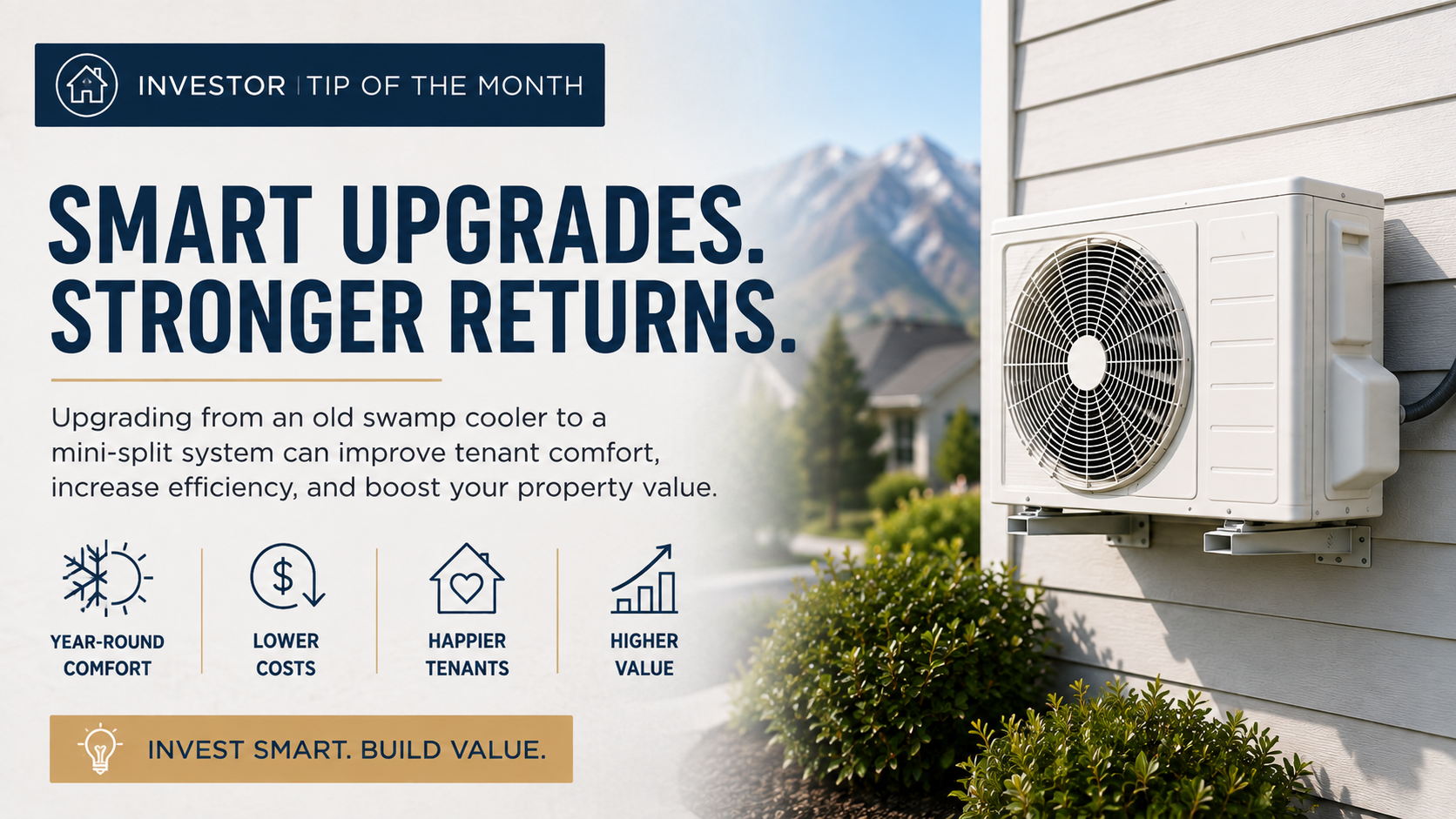
Air conditioning systems
Seasonal swings make routine inspections especially important. Ignoring minor issues can lead to larger structural and mechanical problems.
Well-maintained properties also rent faster and retain tenants longer.
The Financial Impact
Preventative maintenance improves profitability in three major ways:
1. Fewer Emergency Repairs
Emergency calls often cost 25–50% more than scheduled service. Preventing even one major emergency per year can significantly improve net income.
2. Reduced Vacancy
Properties in excellent condition show better, photograph better, and lease faster. Clean systems and updated components increase tenant confidence.
3. Asset Preservation
Your rental property is an income-producing asset. Like any asset, it requires ongoing care to preserve value and support appreciation.
Deferred maintenance compounds over time — and not in a good way.
Tenant Perception & Retention
Tenants are more likely to renew when they feel their home is cared for.
When maintenance requests are handled quickly and properties are proactively maintained:
Complaints decrease
Negative reviews decrease
Tenant satisfaction increases
Turnover costs decrease
Turnover is one of the largest hidden expenses in rental property ownership. Reducing it improves overall return on investment.
A Strategic Maintenance Approach
Professional property management should include:
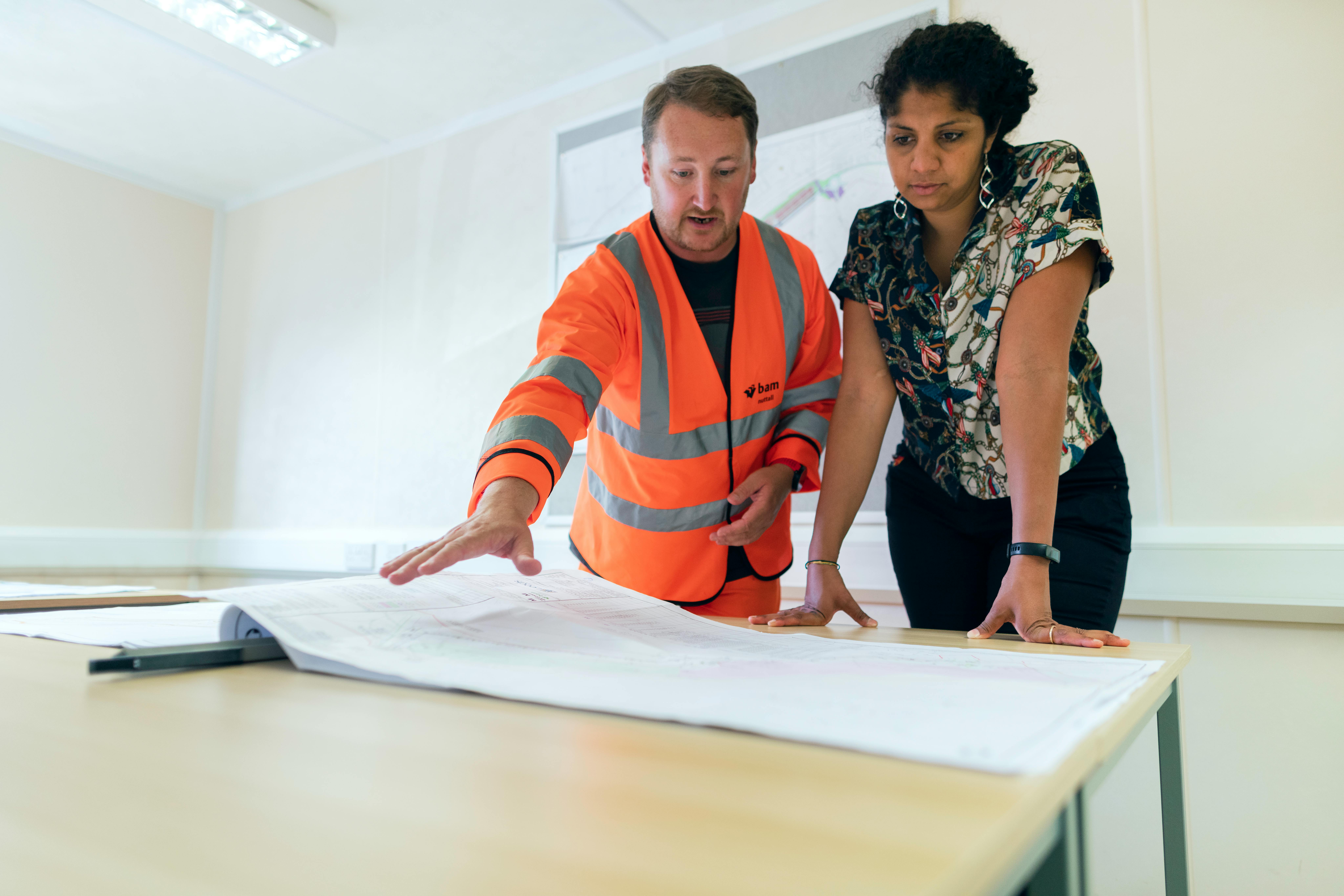
Routine property inspections
Clear maintenance prioritization
Vendor accountability
Photo documentation before and after repairs
Budget forecasting for future capital expenditures
Transparent owner communication
Maintenance should never feel chaotic or reactive. It should be structured, tracked, and evaluated.
Every work order should answer:
What is the issue?
Why does it need to be addressed?
Who is responsible?
When should it be completed?
When maintenance is systemized, it protects both cash flow and long-term value.
Final Thoughts
Maintenance is not just an expense — it’s a performance strategy.
Rental property ownership in Utah continues to be a strong long-term investment, but profitability depends on disciplined execution.
Owners who prioritize preventative care experience:
Fewer surprises
More predictable expenses
Higher tenant retention
Stronger long-term equity growth
In real estate investing, preservation is profit.